When it comes to online conversations, short forms and slang words help people express their feelings quickly. One abbreviation you may see in chats, text messages, or social media comments is DTTM. If you have received this abbreviation, you may wonder what it means and how to respond. Understanding dttm meaning in text can help you avoid confusion and understand the sender’s message.
DTTM can have different meanings depending on the conversation. People may use it to express frustration, ask for space, or communicate a particular feeling. The tone and context matter. In this guide, you will learn its common meaning, how people use it, examples, possible interpretations, and suitable replies.
What Does DTTM Meaning in Text?
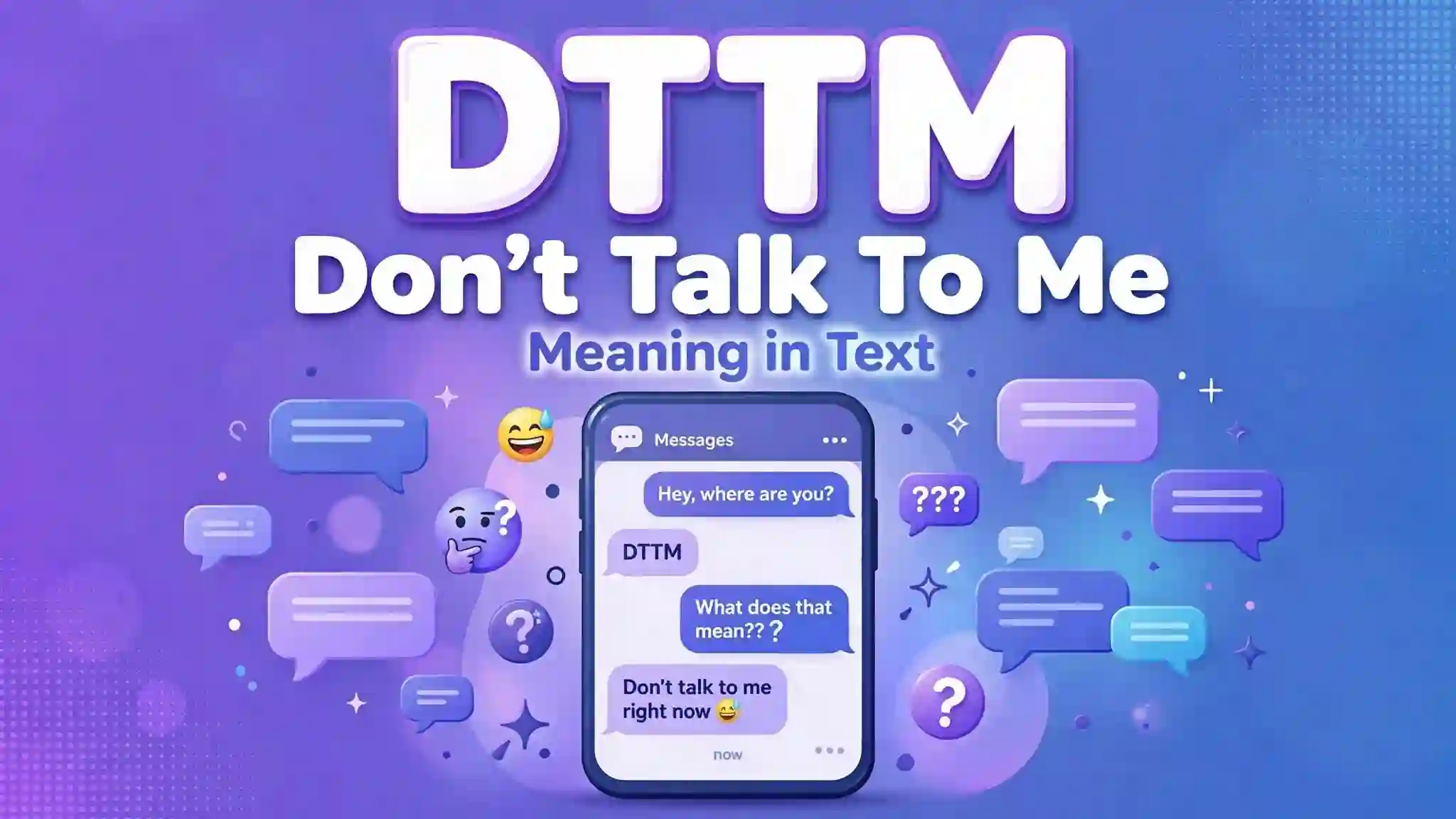
DTTM is an internet abbreviation that may stand for “Don’t Talk to Me.” People can use it when they feel upset, annoyed, tired, or unwilling to continue a conversation. It sends a direct message that the sender wants some space.
For example, someone may write:
“Not in the mood today. DTTM.”
This message suggests that the person does not want to chat at that moment.
However, abbreviations do not always have one fixed meaning. A person may use DTTM differently in a private group, online community, or personal conversation. Always read the surrounding messages before deciding what the sender means.
Why Do People Use DTTM?
People use short forms because they save time and make digital conversations easier. Instead of typing a complete sentence, they can share a quick reaction with a few letters.
Here are some common reasons someone might use this abbreviation:
- To show frustration: The person may feel irritated by a conversation.
- To request space: They may need time alone.
- To express anger: They may not want to discuss an issue.
- To joke with friends: Some people use dramatic expressions playfully.
- To end a conversation: They may want the chat to stop for now.
Is dttm meaning in text a Positive or Negative Expression?
dttm meaning in text usually sounds negative because it tells someone not to communicate. However, the intention behind it can vary.
For example, a friend might say it after losing a game or receiving an embarrassing photo. They may not actually want to end the friendship.
On the other hand, someone who feels hurt may use it to set a real boundary. The best approach is to consider the situation rather than assume the sender is joking or angry.
DTTM Meaning in Text Messages and Online Chats
The meaning of an abbreviation becomes clearer when you understand how people use it in everyday conversations. Text messages often lack facial expressions and voice tone, so a short phrase can sometimes create confusion.
Here are several situations where someone might use DTTM.
1. When Someone Feels Annoyed
A person may use DTTM after an argument or an irritating conversation. They may want the other person to stop messaging them.
Example:
- Alex: Why are you ignoring my calls?
- Sam: I already explained everything.
- Alex: Can we talk?
- Sam: DTTM. I’m really annoyed.
2. When Someone Needs Personal Space
People sometimes need time alone. They may feel stressed, exhausted, or overwhelmed by daily activities.
Example:
- Mia: Are you coming online tonight?
- Emma: Probably not.
- Mia: Is everything okay?
- Emma: Just tired. DTTM for a while.
3. When Friends Are Joking
Close friends often use dramatic expressions to make conversations funny. They may say DTTM after a silly joke or playful insult.
Example:
- Jake: I told everyone about your school crush.
- Ryan: Seriously?
- Jake: Haha, it was funny!
- Ryan: DTTM 😂
The laughing emoji suggests that Ryan may be joking rather than expressing serious anger.
4. When Someone Wants to End a Conversation
Sometimes, a person has no interest in continuing a particular discussion. They may use the abbreviation to make their feelings clear.
Example:
- Chris: Let’s discuss the same problem again.
- Taylor: I don’t want to argue anymore.
- Chris: Just listen to me.
- Taylor: DTTM. I’m done talking.
In this case, the sender wants the conversation to stop. Respecting that request is important.
dttm meaning in text on Snapchat, Instagram, TikTok, and WhatsApp
Social media platforms encourage quick communication. Users often write abbreviations in direct messages, comments, captions, and group chats.
The possible meaning of DTTM does not automatically change from one platform to another. However, the situation and communication style can affect how readers understand it.
dttm meaning in text on Snapchat
Snapchat users often send short messages, pictures, and reactions. They may use DTTM when they feel annoyed or want a break from chatting.
For example:
“Stop sending me those embarrassing pictures. DTTM 😂”
The emoji may suggest a playful reaction. Without it, the message could sound more serious.
dttm meaning in text on Instagram
On Instagram, people communicate through direct messages, comments, and story replies. Someone might use this abbreviation during a disagreement or after receiving unwanted messages.
For example:
“Please stop asking about my personal life. DTTM.”
This message communicates a clear request for privacy.
dttm meaning in text on TikTok
TikTok users often interact through comments, private messages, and shared videos. An abbreviation may appear as a reaction to a funny clip or an uncomfortable conversation.
For example:
“That video was so embarrassing. DTTM 😭”
Here, the sender may be exaggerating for humor.
dttm meaning in text on WhatsApp
WhatsApp supports private chats and group conversations. Someone might use the abbreviation when they want to pause a discussion or avoid an argument.
For example:
“I’m busy right now. DTTM. I’ll message you later.”
This example shows why context matters. The sender may not want to talk immediately, but that does not necessarily mean they want to end communication permanently.
dttm meaning in text From a Girl or Boy
People sometimes search for the meaning of an abbreviation based on who sent it. They may wonder whether a girl or boy uses it differently.
In general, the abbreviation does not have a separate meaning based on gender. The sender’s personality, feelings, relationship, and situation provide more useful clues.
When a Girl Says DTTM
If a girl sends DTTM, she may want personal space or feel uncomfortable with the conversation.
For example:
- You: Why haven’t you replied?
- Her: I’ve been busy all day.
- You: Are you upset with me?
- Her: DTTM. I need some time.
This message suggests that she does not want to talk at that moment.
A respectful response would be:
“Okay, I understand. Take your time. Message me whenever you’re ready.”
Avoid sending repeated messages or demanding an explanation.
When a Boy Says DTTM
A boy may use the same abbreviation to express frustration, avoid an argument, or joke with a friend.
For example:
- You: You lost the match again!
- Him: Stop reminding me.
- You: It was just a joke.
- Him: DTTM 😂
The laughing emoji may indicate playful frustration.
If he sends the abbreviation during a serious argument, give him space instead of assuming he is joking.
Does DTTM Mean Someone Is Angry With You?
Not always. The sender may feel tired, stressed, embarrassed, or simply unwilling to chat.
Look at the following clues:
- Previous messages: Did you have an argument?
- Emojis: Do they suggest humor or frustration?
- Relationship: Do you normally joke with each other?
- Timing: Did the message arrive after a stressful event?
- Follow-up: Did the person explain that they need time alone?
These clues can help you understand the sender without making unnecessary assumptions.
How to Reply to dttm meaning in text
Your response should match the situation. If someone wants space, respect that request. If a close friend is joking, you can respond with humor.
Here are some useful replies for different situations.
1. Polite Replies
Use these responses when you want to show respect and avoid an argument.
- “Okay, I understand.”
- “No problem. Take your time.”
- “I’ll give you some space.”
- “Message me when you’re ready.”
- “I hope everything gets better.”
These replies work well when you are unsure about the sender’s mood.
2. Funny Replies
If your friend is clearly joking, you can respond playfully.
- “Okay, I’ll disappear now 😂”
- “Fine, but don’t miss me too much!”
- “Message received!”
- “I’ll return after the drama ends.”
- “That’s a little dramatic!”
Only use these responses when you know the person is comfortable with jokes.
3. Replies to Someone Who Is Angry
If someone sends the abbreviation during an argument, avoid making the situation worse.
You can say:
- “I didn’t mean to upset you.”
- “I understand. Let’s talk later.”
- “I’m sorry if I hurt your feelings.”
- “I’ll respect your space.”
- “We can discuss this when you’re ready.”
A calm response gives both people time to think.
4. Replies to a Crush
If someone you like sends DTTM, do not assume it is a romantic signal. It may simply mean they want to stop talking for now.
Try these respectful responses:
- “Okay, take care.”
- “No worries. Talk whenever you feel comfortable.”
- “I hope your day gets better.”
- “I’ll give you some time.”
Avoid sending several follow-up messages. Give the person room to decide when they want to communicate again.
Common Mistakes to Avoid When Using dttm meaning in text
Abbreviations make texting faster, but they can also create confusion. A phrase that seems funny to one person may sound rude to another.
Avoid these common mistakes when using this expression.
1. Assuming Everyone Knows Its Meaning
Not everyone understands internet slang. Some people rarely use abbreviations in their messages.
If the other person looks confused, explain the phrase instead of expecting them to understand it.
2. Using It During a Serious Argument
Sending a short abbreviation during a serious discussion can make the other person feel ignored.
If you need space, a clearer sentence may work better.
For example:
“I’m upset right now. I need some time before we continue this conversation.”
This message explains your feelings without creating unnecessary confusion.
3. Ignoring the Sender’s Tone
A laughing emoji can suggest a joke, while a serious message may indicate frustration. However, emojis do not always reveal someone’s real feelings.
Consider the full conversation before replying.
4. Sending Too Many Messages
If someone asks you to stop talking, respect the request. Repeated messages can make the situation more uncomfortable.
Give the person time and wait for them to contact you.
5. Using Abbreviations With People Who Prefer Clear Language
Some people prefer complete sentences. They may misunderstand short forms or consider them impolite.
Use simple language when communicating with teachers, colleagues, customers, or people you do not know well.
When Should You Use dttm meaning in text
Knowing the meaning of an abbreviation is not enough. You should also understand when it is appropriate to use it.
The best time to use informal slang depends on your relationship with the other person and the purpose of the conversation.
Good Situations for Using It
You might use DTTM when:
- You are joking with close friends.
- You want to express playful frustration.
- You are chatting informally with someone who understands internet slang.
- You want to make a short, casual statement.
For example:
“Stop sending spoilers. DTTM 😂”
Your friend may understand that you are joking.
Situations Where You Should Avoid It
Avoid using the abbreviation in situations that require clear and respectful communication.
These include:
- Workplace conversations.
- Professional emails.
- Customer service messages.
- Serious family discussions.
- Important personal disagreements.
- Conversations with people unfamiliar with internet slang.
Instead of using a short abbreviation, explain what you need.
For example, write:
“I need some time to think. Let’s talk tomorrow.”
This message sounds clearer and more respectful.
Frequently Asked Questions (FAQs)
1. What is the most common DTTM meaning in text?
DTTM may stand for “Don’t Talk to Me.” People use it to express frustration, request personal space, or show that they do not want to continue a conversation. The exact intention depends on context.
2. Does dttm meaning in text the person hates me?
No. It does not automatically mean someone hates you. The person may feel tired, annoyed, stressed, or uncomfortable. Give them space and avoid jumping to conclusions.
3. What does dttm meaning in text from a girl?
A girl may use DTTM to show that she wants some time alone or does not want to continue a conversation. However, the abbreviation does not have a special meaning based on gender.
4. How should I reply when someone says dttm meaning in text?
A polite response is usually best. You can say, “Okay, take your time,” or “I understand. Message me when you’re ready.” If the person is clearly joking, a funny response may also work.
5. Is dttm meaning in text rude?
It can sound rude or harsh because it directly tells someone not to talk. However, close friends may use it playfully. The relationship, tone, and situation determine how it comes across.
6. Is dttm meaning in text used on Snapchat and Instagram?
People may use the abbreviation on both platforms, as well as in other messaging apps. Its meaning generally depends on the conversation rather than the platform.
Conclusion
Understanding dttm meaning in text helps you read online conversations with more confidence. The abbreviation may stand for “Don’t Talk to Me.” People often use it when they feel annoyed, need personal space, or want to stop a conversation. Friends may also use it as a joke.
The most important thing is to understand the context. A message with a laughing emoji may show playful frustration, while a serious message may express a real need for distance. Do not assume that the sender is angry or dislikes you without considering the full conversation.