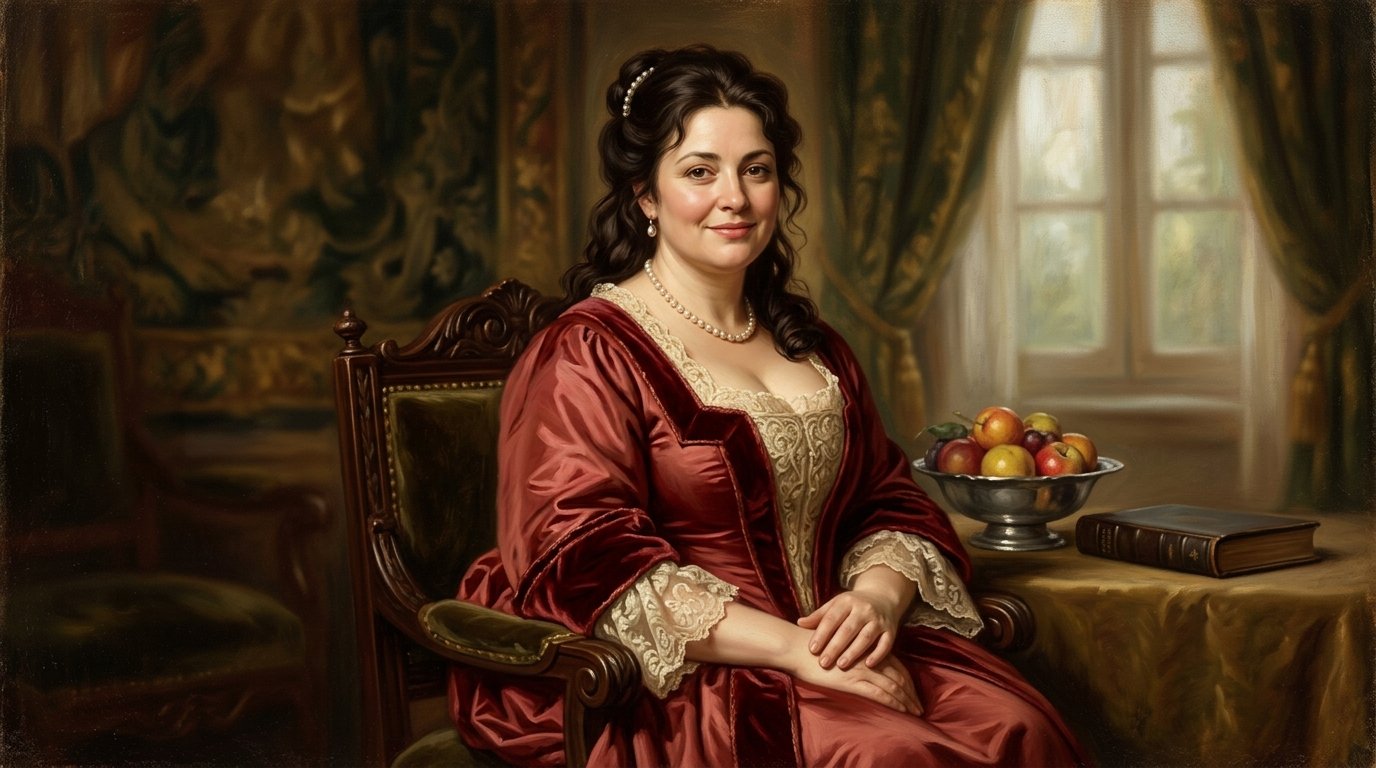
The Rubenesque meaning is generally used to describe someone or something with a full, rounded, or voluptuous appearance, especially in a way associated with the paintings of the Flemish artist Peter Paul Rubens. The word can appear in discussions about art, beauty, fashion, body shape, and literature.
If you have seen the word Rubenesque in a text message, social media post, article, or conversation, you may wonder exactly what it means in that context. Unlike many modern internet terms, Rubenesque is not primarily a texting abbreviation or slang word. It is an English adjective with an artistic origin.
In this guide, we will explain the Rubenesque meaning in English, text, slang, art, and everyday conversation, along with its pronunciation, origin, examples, and common uses.
What Is the Rubenesque Meaning?
The word Rubenesque means resembling the characteristic style or figures found in the artwork of Peter Paul Rubens. In particular, it is often used to describe rounded, full-bodied, or voluptuous figures.
The term comes from the name Peter Paul Rubens, a famous European painter whose works often featured figures with soft, rounded, and fuller body shapes.
Depending on the context, Rubenesque can describe:
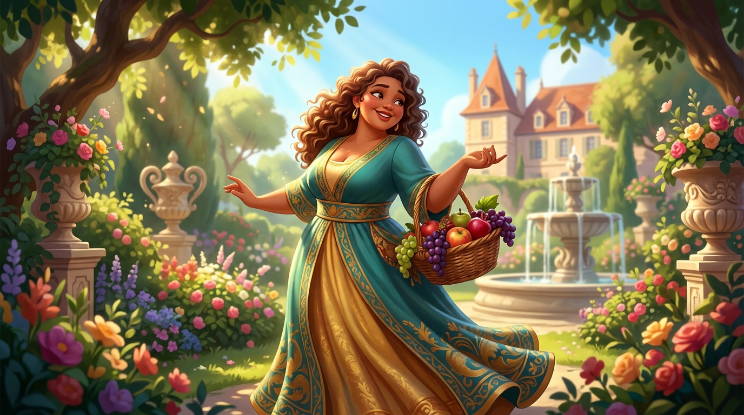
- A person’s physical appearance
- A full or rounded body shape
- A style of artwork
- A painting or sculpture
- A fashion silhouette
- A fictional character’s appearance
- A beauty ideal associated with Rubens’ paintings
For example, someone might say, “The painting features a Rubenesque figure.” This means the figure has characteristics associated with the fuller, rounded forms commonly seen in Rubens’ art.
Why Does Rubenesque Have This Meaning?
The Rubenesque meaning developed from the artistic style associated with Peter Paul Rubens. His paintings frequently depicted women and other figures with fuller bodies, rounded forms, and soft physical features.
Over time, the artist’s name became connected with this particular visual style. English speakers eventually formed the adjective Rubenesque to describe people, figures, or artwork that resemble these characteristics.
The word therefore has both an artistic and descriptive meaning.
It is important to remember that the exact meaning depends on context. When used in art criticism, it may refer mainly to an artistic style. When used to describe a person, it may refer to body shape or physical appearance.
Common Rubenesque Meanings in Text and Social Media
When people use Rubenesque online, they usually use it as a descriptive adjective rather than as a modern slang abbreviation.
The word may appear in social media captions, comments, blogs, fashion discussions, or conversations about art and beauty.
Common interpretations include:
- Full-bodied or voluptuous
- Rounded in appearance
- Similar to figures in Rubens’ paintings
- Associated with a classical artistic beauty ideal
- Describing a particular artistic or fashion style
For example:
“The character has a beautiful Rubenesque appearance.”
Here, Rubenesque describes the character’s fuller or rounded physical appearance.
Rubenesque Meaning in Slang
The Rubenesque meaning in slang is not very different from its standard English meaning. Unlike modern texting slang, “Rubenesque” is mainly used as a descriptive adjective for someone or something with a full, rounded, or voluptuous appearance.
The word is more commonly found in conversations about beauty, art, fashion, and body shape. Because it comes from the name of Peter Paul Rubens, it can also carry an artistic reference.
The tone depends on the context in which the word is used.
- It is generally an adjective, not texting slang.
- It can describe a full or rounded figure.
- It may refer to an artistic style.
- It comes from the name of Peter Paul Rubens.
- Context determines whether it sounds neutral, descriptive, or complimentary.
Rubenesque Meaning in Text
When looking for the Rubenesque meaning in text, the surrounding sentence is important because the word can describe either a person’s appearance or an artistic style.
Unlike abbreviations commonly used in text messages, Rubenesque is a complete English adjective. Someone might use it in a text to describe a painting, character, fashion style, or a person’s figure.
For example, “That painting has a Rubenesque quality” refers to an artistic style. In another context, “She has a Rubenesque figure” refers to physical appearance.
Common examples include:
- “That character has a Rubenesque figure.”
- “The painting looks very Rubenesque.”
- “I love the Rubenesque style of this artwork.”
- “The dress creates a Rubenesque silhouette.”
Rubenesque Meaning in English
The Rubenesque meaning in English refers to something that resembles the artistic characteristics associated with Peter Paul Rubens.
The word is generally used as an adjective and can describe both people and artistic works.
For example:
“The artist created a Rubenesque portrait.”
This means the portrait has features or characteristics associated with the style of Rubens.
Another example is:
“The model was described as Rubenesque.”
In this case, the word refers to a fuller or voluptuous body shape.
Rubenesque Meaning in Art
In art, Rubenesque usually refers to characteristics associated with the paintings of Peter Paul Rubens.
Rubens was known for creating figures with rounded forms, soft features, and a sense of physical fullness. As a result, the word Rubenesque became associated with this visual approach.
A Rubenesque artwork may feature:
- Full-bodied figures
- Rounded physical forms
- Soft and natural-looking shapes
- Classical or historical themes
- Dramatic compositions
- A rich, painterly appearance
The term does not necessarily mean that Rubens himself created the artwork. It can simply mean that the work resembles aspects of his artistic style.
Rubenesque Meaning When Describing a Person
When Rubenesque is used to describe a person, it most commonly refers to a full, rounded, or voluptuous figure.
The word is especially associated with traditional artistic representations of the human body.
For example:
“The actress was described as having a Rubenesque figure.”
Here, the writer is highlighting a fuller body shape rather than using the word to describe personality or behavior.
However, because body descriptions can be interpreted differently, the tone of the word depends on the speaker and context.
Rubenesque Pronunciation
The pronunciation of Rubenesque can be written approximately as:
roo-BEN-esk
The emphasis is generally placed on the middle syllable.
It comes from the name Rubens, followed by the English suffix -esque, which means “in the style or manner of.”
Similar words using this suffix include:
- Picturesque
- Grotesque
- Romanesque
- Kafkaesque
- Burlesque
How Rubenesque Became Popular
The word Rubenesque developed from the lasting influence of Peter Paul Rubens and his paintings.
As art historians and writers discussed the distinctive appearance of figures in Rubens’ works, his name became associated with a particular type of physical representation.
Eventually, Rubenesque became a general English adjective.
Today, the word can be found in:
- Art criticism
- Fashion writing
- Literature
- Beauty discussions
- Popular culture
- Social media
- Everyday descriptions
Rubenesque Meaning on Social Media
On social media, the Rubenesque meaning generally remains close to its traditional definition.
People may use it when discussing body positivity, fashion, artwork, historical beauty standards, or fictional characters.
For example:
“This collection has a very Rubenesque aesthetic.”
Here, the writer is describing a fashion or visual style influenced by fuller, rounded forms.
Another example could be:
“Her portrait has a Rubenesque quality.”
This suggests that the portrait resembles characteristics associated with Rubens’ artistic style.
Rubenesque Meaning in Text Messaging
The Rubenesque meaning in text messaging is usually straightforward because the word does not have a widely recognized secret abbreviation.
If someone sends:
“That character looks Rubenesque.”
They are most likely describing the character as having a fuller, rounded, or voluptuous appearance.
If someone writes:
“The artwork is very Rubenesque.”
They are probably referring to the visual style or body forms associated with Rubens.
Therefore, the sentence surrounding the word is the best way to understand its exact meaning.
Rubenesque Meaning in Different Contexts
The meaning of Rubenesque can change slightly depending on where it is used.
In Art
It usually refers to a style resembling the figures or artistic characteristics associated with Rubens.
In Fashion
It may describe clothing, silhouettes, or styling that emphasizes rounded or fuller forms.
In Literature
An author may use Rubenesque to create a visual description of a character.
In Everyday Conversation
It can describe someone’s physical appearance, particularly a fuller or voluptuous figure.
On Social Media
It may be used when discussing art, beauty, fashion, body shape, or historical aesthetics.
Rubenesque Meaning When Describing a Woman
One of the most common uses of Rubenesque is to describe a woman with a full or voluptuous figure.
This usage comes from the women frequently portrayed in Rubens’ paintings.
For example:
“The novel describes the heroine as a Rubenesque woman.”
The phrase suggests a woman with a fuller, rounded figure.
However, it is worth considering the audience and context before using the term because physical descriptions can be interpreted differently by different people.
Rubenesque Meaning in Real-World Examples
Here are several examples showing how the word can be used naturally:
Example 1:
“The painting features a Rubenesque figure.”
Meaning: The figure has characteristics associated with Rubens’ artistic style.
Example 2:
“She has a Rubenesque silhouette.”
Meaning: She has a fuller or rounded body shape.
Example 3:
“The designer used a Rubenesque aesthetic.”
Meaning: The design emphasizes a style associated with rounded, fuller forms.
Example 4:
“The character is portrayed as Rubenesque.”
Meaning: The character is depicted with a fuller, voluptuous appearance.
Is Rubenesque Positive or Negative?
The word Rubenesque is not inherently positive or negative.
Its meaning is primarily descriptive. However, the tone can change depending on the sentence, speaker, and situation.
For example:
“The artist created a beautiful Rubenesque portrait.”
This clearly uses the word positively.
On the other hand, a person may dislike being described in terms of body shape, even when the speaker intends the word as a compliment.
For this reason, context and audience matter when using Rubenesque to describe someone’s appearance.
Common Mistakes With Rubenesque
People sometimes misunderstand Rubenesque because they encounter it in different contexts.
Here are some common mistakes:
- Assuming Rubenesque is modern internet slang
- Thinking it is a texting abbreviation
- Using it only for paintings
- Assuming it always refers to a person’s body
- Ignoring the connection to Peter Paul Rubens
- Treating it as automatically positive or negative
The safest approach is to look at the surrounding sentence and identify whether the writer is discussing art, appearance, fashion, or another subject.
How to Use Rubenesque Correctly
Use Rubenesque when you want to describe something that resembles characteristics associated with Rubens or his artistic representations.
Examples:
- “The portrait has a Rubenesque quality.”
- “The artist created a Rubenesque figure.”
- “The fashion collection uses a Rubenesque silhouette.”
- “The character is described as Rubenesque.”
- “The painting contains several Rubenesque figures.”
Avoid using the word simply as a synonym for “beautiful,” because its meaning is more specific.
Is Rubenesque Slang or an Adjective?
Rubenesque is an adjective, not primarily a slang word.
It is formed from the name Rubens and the suffix -esque, which means resembling or characteristic of something.
Although people may use it casually in social media posts or text messages, that does not make it modern slang.
Its standard meaning remains connected to:
- Art
- Physical appearance
- Rounded or full figures
- Fashion
- Beauty descriptions
- Rubens’ artistic style
Rubenesque vs. Similar Words
Several English words can overlap with Rubenesque, but they are not exactly identical.
| Word | General Meaning |
| Rubenesque | Resembling Rubens’ style or fuller, rounded figures |
| Voluptuous | Attractive and curvaceous or full-bodied |
| Curvaceous | Having noticeable curves |
| Full-figured | Having a relatively full body shape |
| Rounded | Having a curved or fuller form |
| Plump | Moderately fat or rounded |
Rubenesque is more specific because it carries an artistic and historical reference to Peter Paul Rubens.
Formal vs. Informal Use of Rubenesque
Rubenesque can appear in both formal and informal writing.
In formal contexts, it is often used in:
- Art criticism
- Academic writing
- Historical discussions
- Literature
- Fashion journalism
In informal contexts, it can appear in:
- Social media posts
- Text messages
- Conversations
- Blog articles
- Comments about art or appearance
The meaning generally stays the same, although the tone can change depending on the situation.
The Origin of the Word Rubenesque
The word Rubenesque comes from the surname of Peter Paul Rubens, a Flemish Baroque painter.
Rubens lived from 1577 to 1640 and became famous for his large-scale paintings featuring religious, mythological, historical, and portrait subjects.
His representation of human figures, particularly fuller and rounded forms, influenced the later use of his name as a descriptive adjective.
The suffix -esque means “in the style or manner of.” Therefore, Rubenesque essentially means “in the style of Rubens” or resembling characteristics associated with his work.
Why Is Rubenesque Associated With Beauty?
The association between Rubenesque and beauty comes largely from the way Rubens represented the human body in his paintings.
His works often presented fuller figures as part of an idealized artistic world. Over time, these visual characteristics became recognizable enough to influence language.
Today, Rubenesque may be used when discussing historical beauty standards, body representation, fashion, or artistic aesthetics.
However, beauty standards change across cultures and historical periods, so the word should be understood within its particular context.
Rubenesque in Modern English
In modern English, Rubenesque remains a recognizable descriptive adjective.
It is less common than everyday words such as “curvy” or “full-figured,” but it can be useful when an artistic or historical comparison is intended.
Modern examples include:
- “The sculpture has a Rubenesque quality.”
- “The photographer created a Rubenesque portrait.”
- “The costume gives the character a Rubenesque silhouette.”
- “The painting uses a Rubenesque approach to the human form.”
Frequently Asked Questions About Rubenesque Meaning
What does Rubenesque mean?
Rubenesque generally means resembling the style or figures associated with Peter Paul Rubens, especially fuller, rounded, or voluptuous forms.
What does Rubenesque mean in text?
The Rubenesque meaning in text is usually the same as its standard English meaning. It may describe a person’s fuller figure, an artistic style, a painting, or a fashion aesthetic.
What is the Rubenesque meaning in slang?
The Rubenesque meaning in slang is generally not different from its standard meaning. It is not primarily modern slang and is usually used as a descriptive adjective.
Is Rubenesque a slang word?
No. Rubenesque is primarily an English adjective derived from the name of artist Peter Paul Rubens. It can be used casually, but it is not normally classified as texting slang.
What does Rubenesque mean when describing someone?
When describing someone, Rubenesque usually refers to a full, rounded, or voluptuous physical appearance, often with an artistic reference to Rubens’ paintings.
How do you pronounce Rubenesque?
Rubenesque is commonly pronounced approximately roo-BEN-esk, with the emphasis on the middle syllable.
Where does the word Rubenesque come from?
The word comes from the surname of Flemish painter Peter Paul Rubens, combined with the suffix -esque, meaning resembling or characteristic of.
Can Rubenesque describe art?
Yes. In art, Rubenesque can describe a work, figure, or style that resembles characteristics associated with Rubens.
Is Rubenesque a compliment?
It can be complimentary depending on the context, but it is fundamentally a descriptive word. When describing a person’s body, the speaker should consider whether the description is appropriate for the situation.
Conclusion
The Rubenesque meaning refers to something resembling the artistic style or physical forms associated with Peter Paul Rubens. The word is commonly connected with full, rounded, or voluptuous figures and can be used in discussions about art, fashion, beauty, literature, and physical appearance.
The Rubenesque meaning in text usually remains the same as its standard English definition, while the Rubenesque meaning in slang is generally not a separate modern slang definition. Context is important because the word can refer to either a person’s appearance or an artistic style.
Understanding its connection to Peter Paul Rubens makes the word much easier to recognize and use correctly in modern English.